In modern industrial production, compressed air, as a key power source, is widely used in machinery manufacturing, chemical industry, food, medicine, electronics and many other fields. The selection of air compressor and after-treatment equipment is directly related to the efficiency, stability and cost-effectiveness of the whole compressed air system. The following will introduce the types and characteristics of air compressors, selection principles, as well as after-treatment equipment and its selection of key points for relevant practitioners to provide a detailed selection reference.
I. Types and characteristics of air compressors
Piston compressor
Characteristics: simple structure, strong adaptability.
Applicable occasions: small flow, medium and high pressure occasions.
Advantages: low initial investment, easy maintenance.
Disadvantages: high noise, obvious vibration, low reliability of continuous operation.
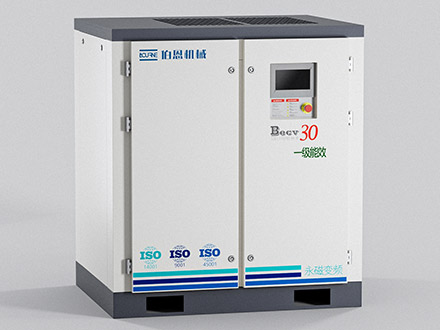
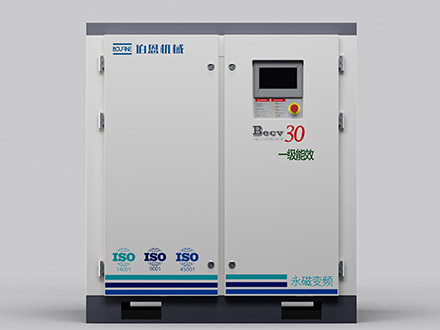
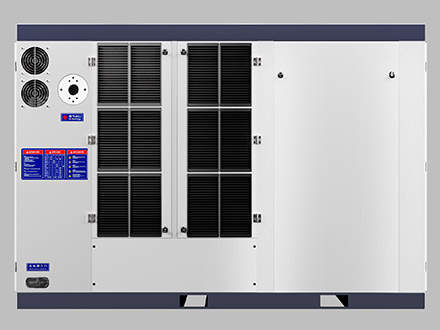
Screw air compressor
Characteristics: compact structure, smooth operation.
Applicable occasions: medium and large flow, medium and low pressure occasions.
Advantages: low noise, low vibration, high reliability of continuous operation, simple maintenance.
Disadvantages: higher initial investment, higher requirements for lubricant quality.
Centrifugal air compressor
Characteristics: suitable for large flow, stable pressure occasions.
Advantages: high efficiency, smooth operation, low noise.
Disadvantages: high initial investment, strict requirements on working conditions, complex maintenance.
Scroll air compressor
Characteristics: suitable for small flow, low pressure occasions.
Advantages: small size, light weight, low noise, low vibration.
Disadvantages: high requirements for working conditions, limited scope of application.
Second, the principle of air compressor selection
Clear demand
Flow rate: according to the actual demand for air equipment, considering the simultaneous use of the rate and the peak value of air.
Pressure: Determine the exhaust pressure of the air compressor, usually slightly higher than the working pressure of the air-using equipment.
Consider environmental factors
Temperature, humidity, altitude, etc. will have an impact on the operating efficiency and life of the air compressor.
Evaluate the economy
Energy consumption: Choose an energy efficient air compressor.
Maintenance costs and lifespan: Consider the long-term maintenance costs and lifespan of the equipment.
Ensure reliability
Choose well-known brands and products with reliable quality.
Consider the redundant design of the equipment to ensure stable operation of the system.
Third, post-processing equipment and selection of key points
Air storage tank
Role: to stabilise air pressure and reduce frequent start-up of air compressor.
Selection: according to the exhaust volume and system pressure to determine the volume and pressure level.
Dryer
Role: to remove the moisture in the compressed air.
Type and Selection: Select refrigerating or adsorption dryer according to the requirement of dew point.
Filter
Function: Improve the cleanliness of compressed air.
Selection: according to the cleanliness requirements to select the appropriate type and accuracy of the filter.
Oil remover
Function: Remove oil mist in compressed air.
Selection: according to the flow rate and oil mist content selection specifications.
Selection of air compressor and after-treatment equipment needs to take into account the demand for air, environmental conditions, operating costs and other factors. Through scientific and reasonable selection, it can ensure the stable and efficient operation of the compressed air system, thereby reducing operating costs and improving production efficiency.